 The C.G.B. team
Such ordinary people
The C.G.B. teamSuch ordinary people
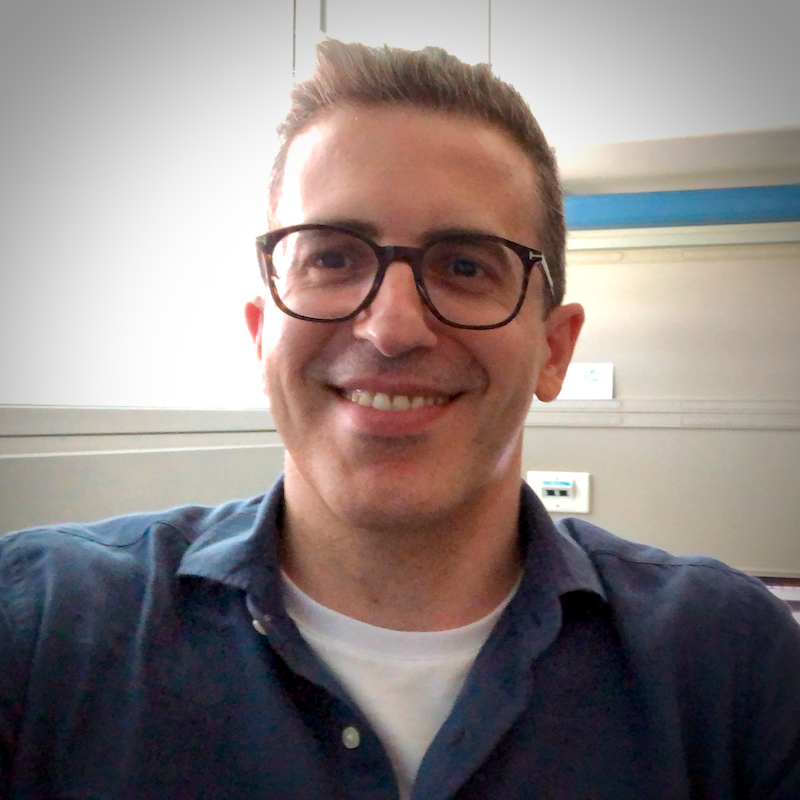
M.Eng., Ph.D.
Matteo was born in Lecco (IT) and he graduated in Biomedical Engineering from the Polytechnic University of Milan in 2005.
After a few years spent as a junior fellow at the IRCCS 'Medea' (Bosisio Parini, IT), he got his Ph.D. in Complex system in Genomics from the University of Turin in 2010. During this time, Matteo joined the group of Jernej Ule at the MRC LMB (Cambridge, UK), where he focused on protein-RNA interactions.
As a postdoc, he moved to the European Institute of Oncology (IEO) and then at the King's College London (UK) in the group of Francesca Ciccarelli. There he studied tumor evolution and heterogeneity in cancer progression and drug resistance being involved in large cancer sequencing programs.
Since 2019 he leads the Cancer Genomics and Bioinformatics (CGB) unit at the Italian Institute for Genomic Medicine (IIGM) in Torino. Since 2021 Matteo has been appointed as Associate Professor of Molecular Biology at the University of Milan "La Statale" Matteo is interested in:
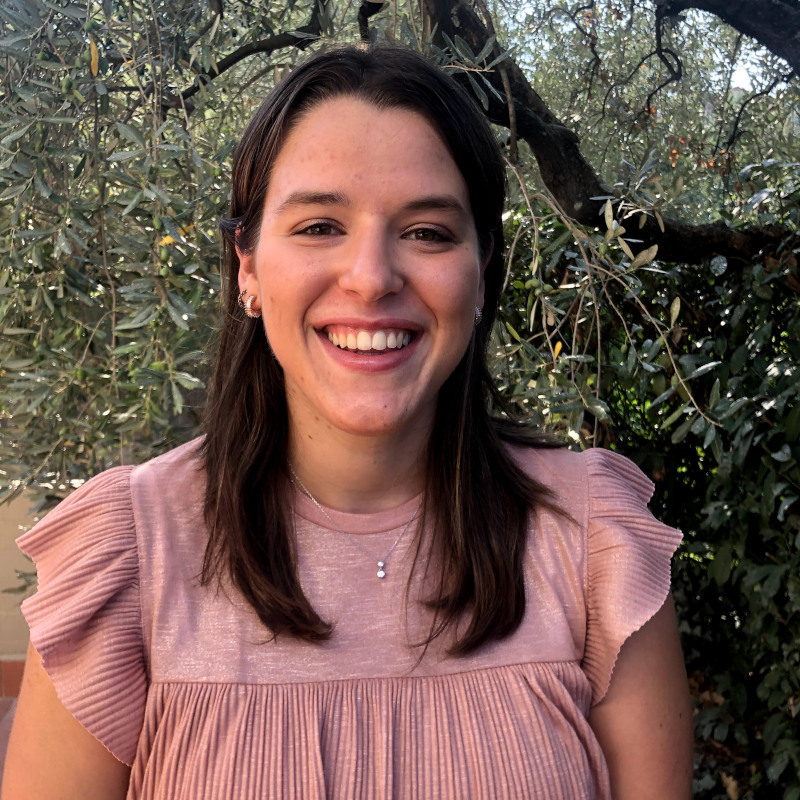
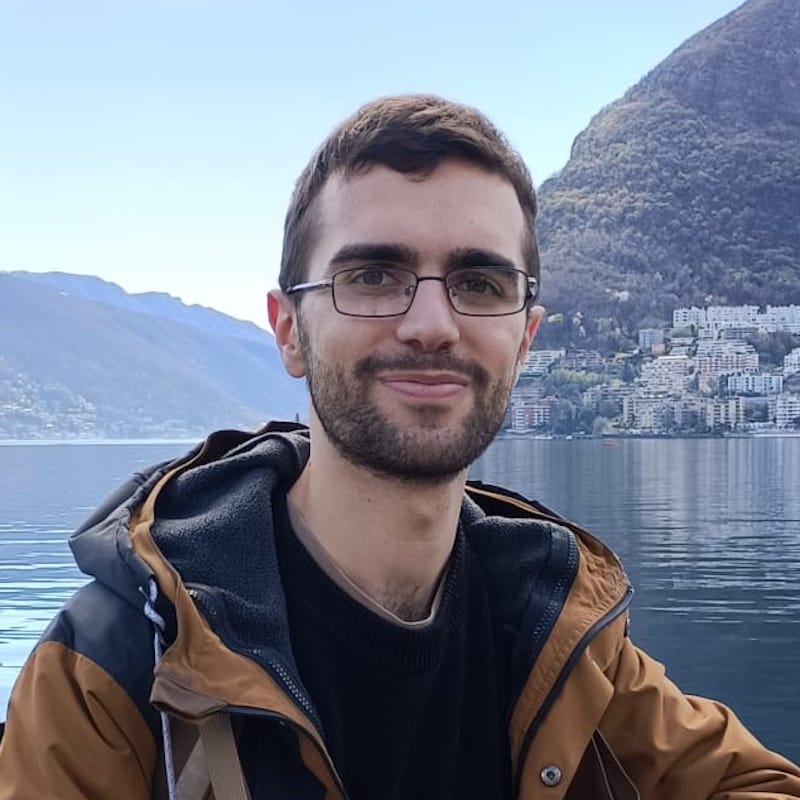
SEMM Ph.D. student
Mariachiara graduated in Bioinformatics for Computational Genomics at the University of Milan and Polithecnic Univesisty of Milan in 2022 with a dissertation on MYC-driven co- and post-transctional regulation in prostate cancer. During her master thesis project Mariachiara analyzed long-read direct mRNA sequencing data generated using Oxford Nanopore Technologies. Since October 2022 Mariachiara joined the Ph.D. program at the European School of Molecular Medicine (SEMM) from the University of Milan. Mariachiara is interested in:
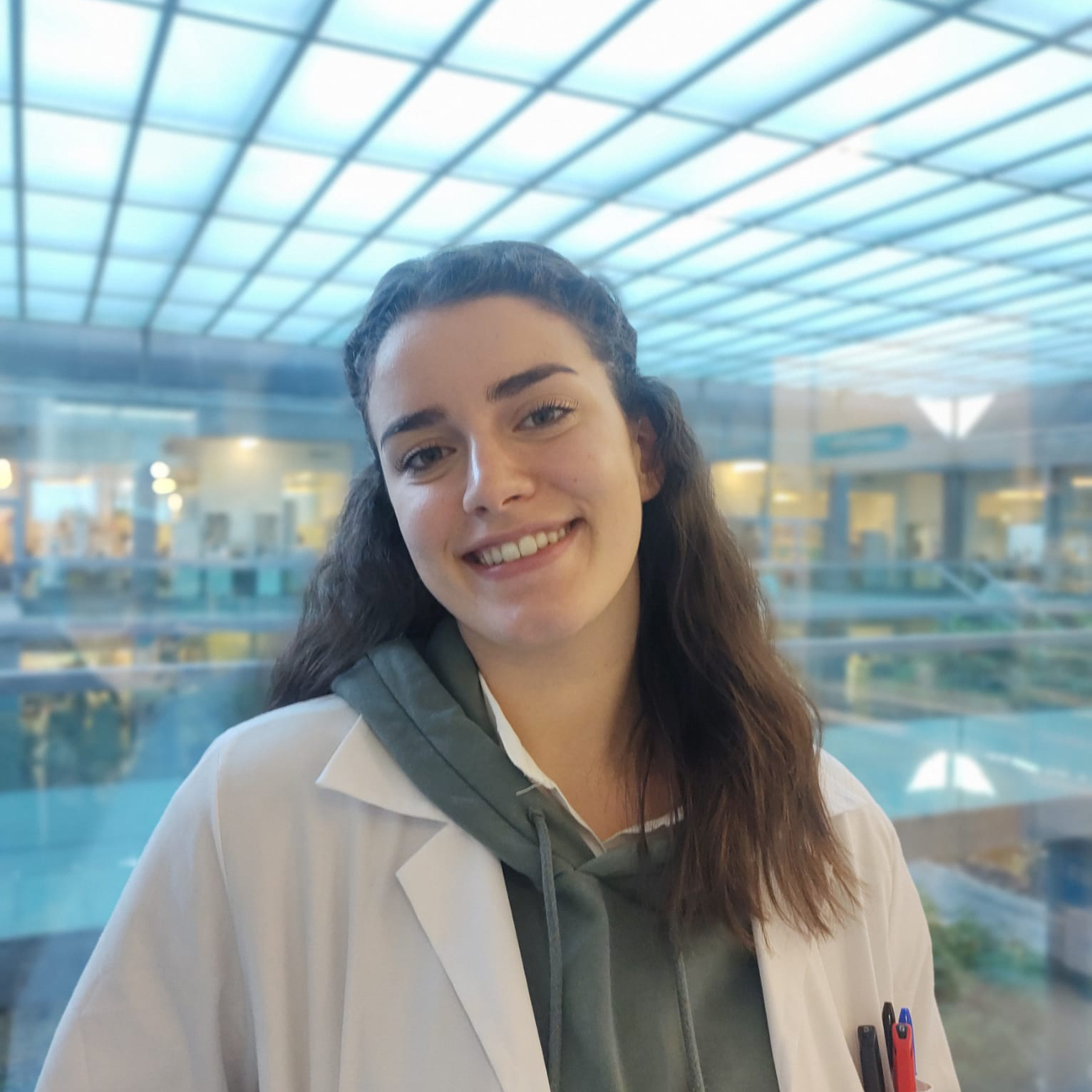
SEMM Ph.D. student
Tommaso graduated in Bioinformatics at the university of Bologna in 2021 presenting a new algorithm for the reconstruction of gene co-expression networks.He joined our lab in 2023 firstly as a research fellow and then entering the European School of Molecular Medicine (SEMM) from the University of Milan. His interests are:
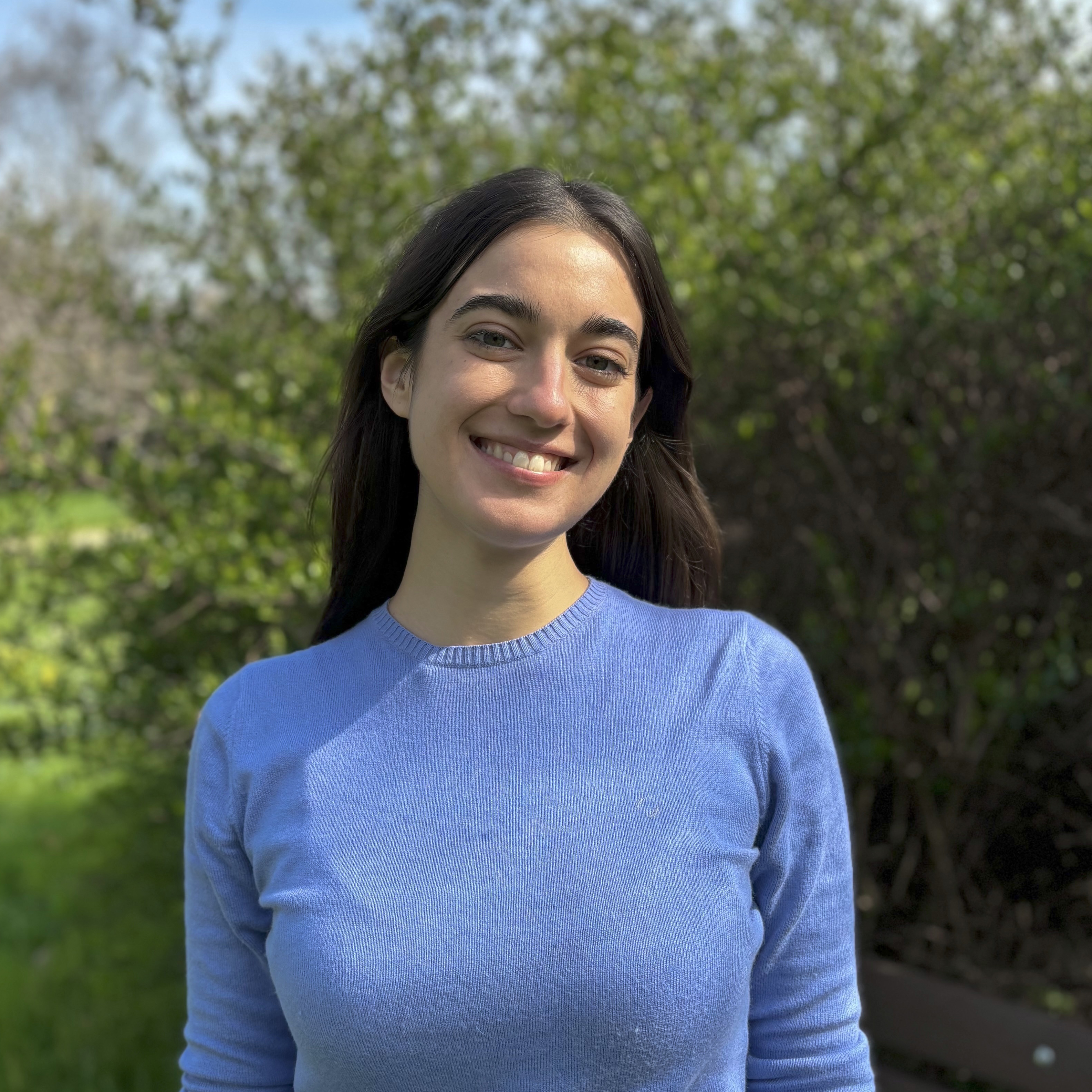
Ph.D. student
Debora graduated in Genetics and Molecular Biology at the Sapienza University with a dissertation on whole exome sequencing in the diagnosis of rare diseases. Currently a PhD student at the school of biomedical sciences and oncology at the University of Turin Her interests are:
Research Fellow
Gabriele graduated in Bioinformatics at the University of Bologna in 2024 with a thesis project centered on the application of Spatial Transcriptomics for the analysis of mouse lung adenocarcinoma datasets. He joined our lab in late 2024 as a research fellow. His interests are:
Master Thesis student
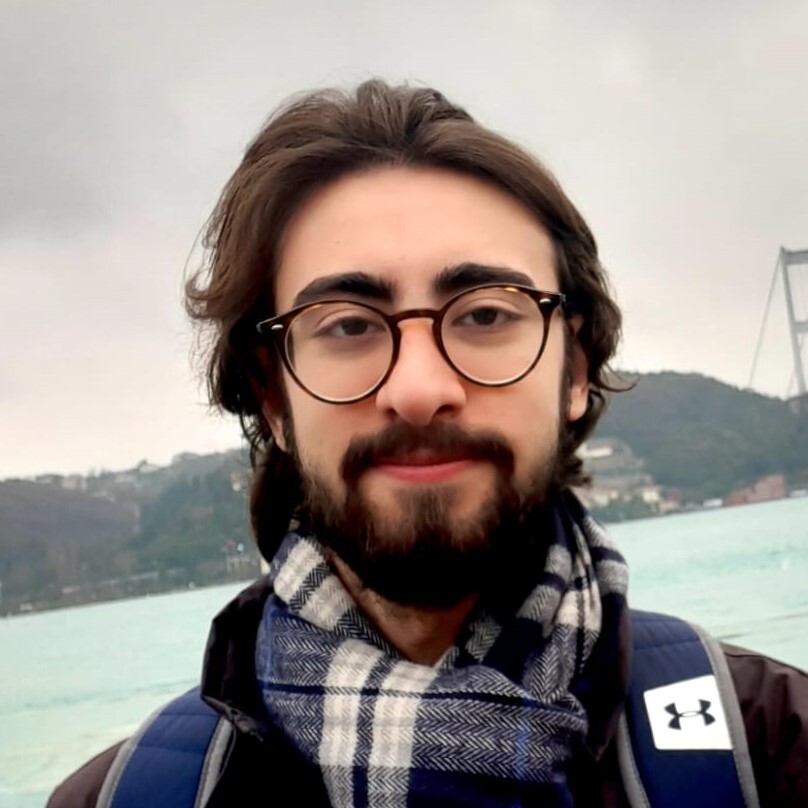
Gustavo is Master of Science student in Data Science and Engineering at Polytechnic of Turin, and currently developing his thesis on the use of Deep Learning for predicting alternative splicing from RNA sequences in tumour tissue. His goal for the future is to work on AI applications in cancer research. Her interests are:
Research fellow
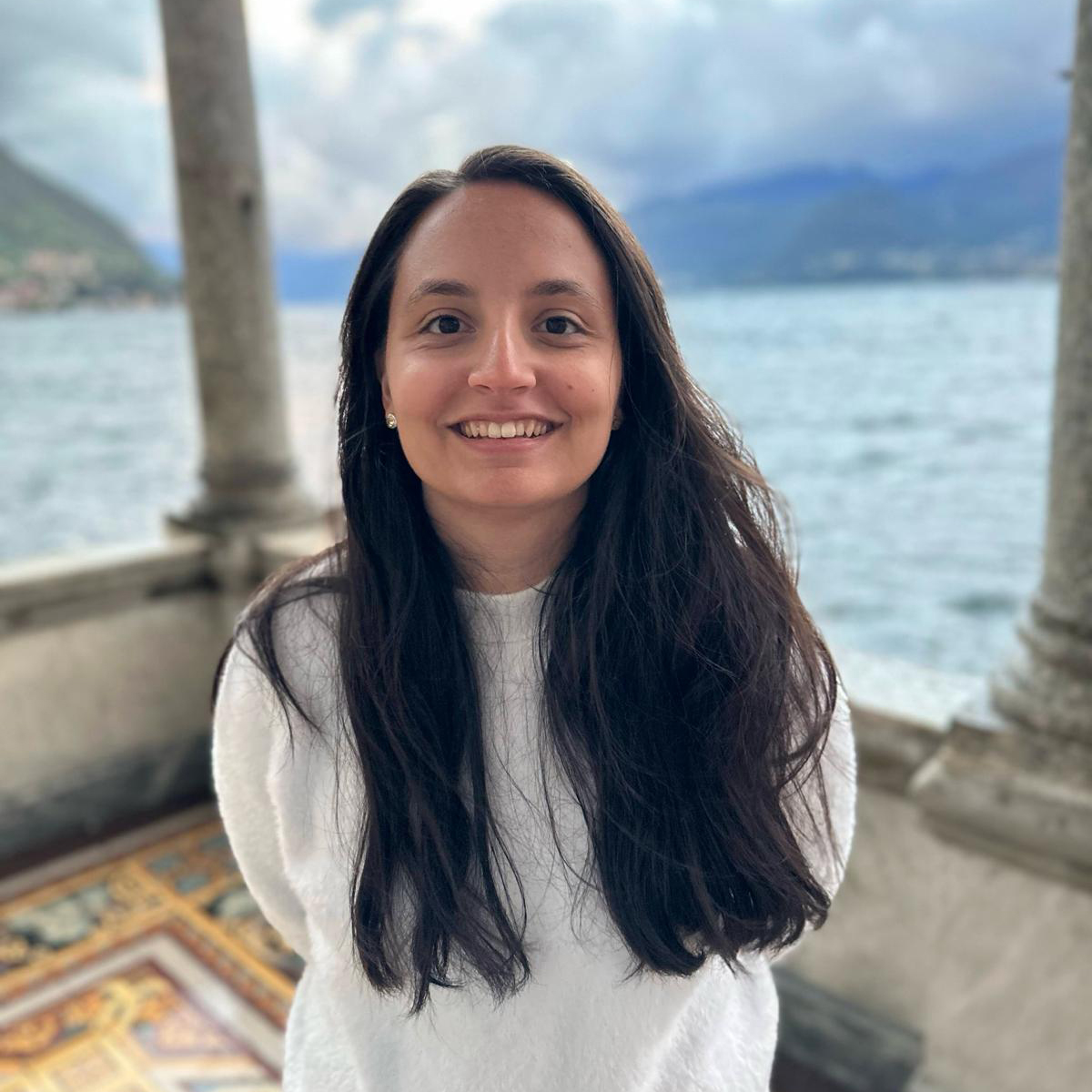
Federica partecipated in the genomic analyses of pediatric sarcomas of patients enrolled within the Genomic Profiles Analysis in Children, Adolescents and Young Adult With Sarcomas (NCT04621201).
Ph.D.
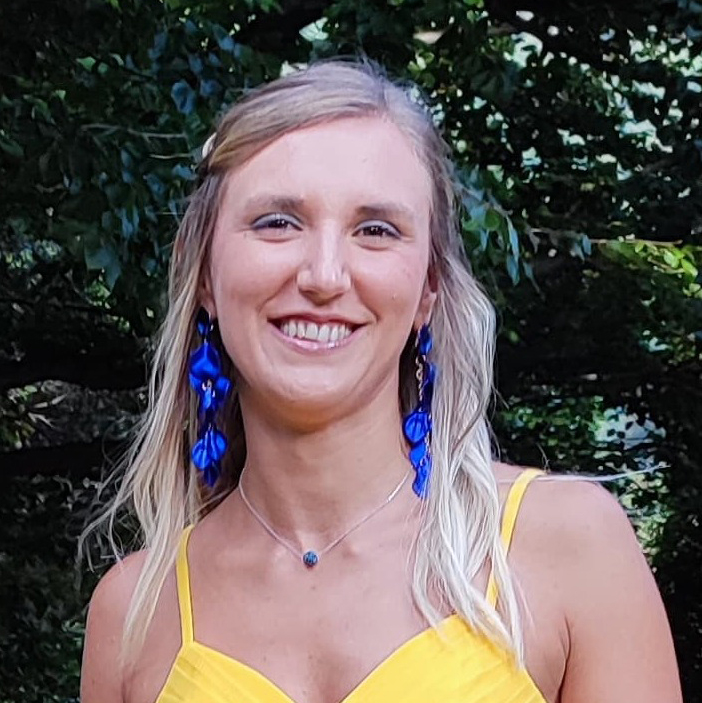
Serena provided a strong contribution with her bioinformatics analyses in the majority of our research projects since the opening of the lab, from DNA to RNA in a wide range of cancer types, from her master thesis up to her postdoc activity. She is now teacher at secondary high school!
Ph.D.
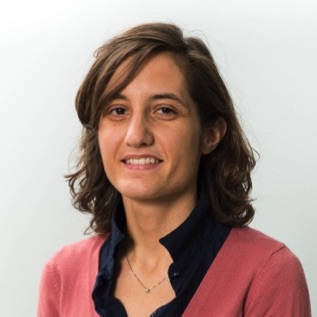
Mara managed the experimental studies of our research projects, contributing to the develoment and test of ASOs to challange new RNA targets. She is now part of grant office at the University of Milan.
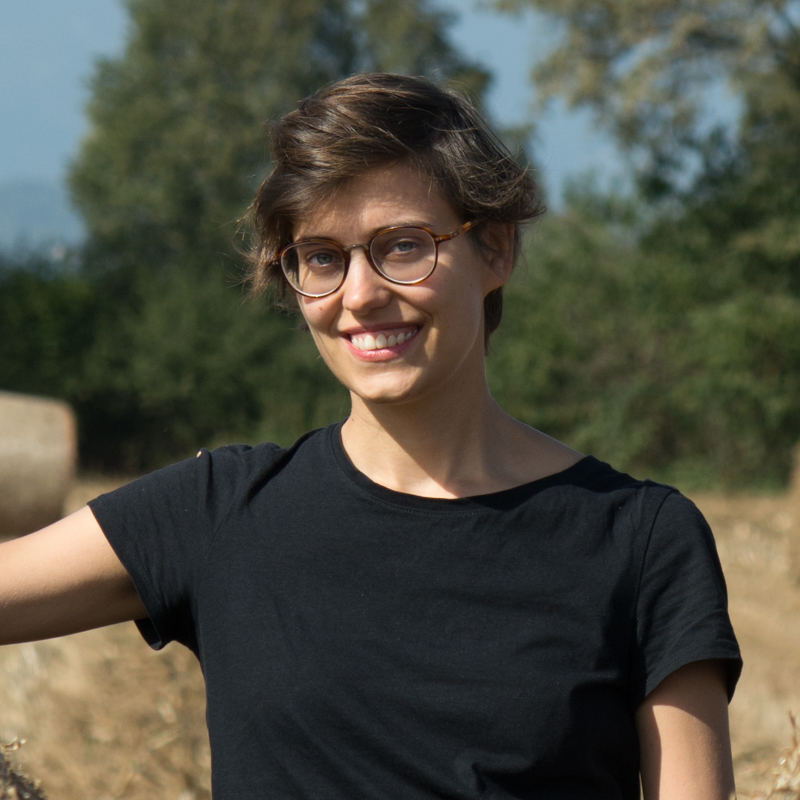
Ph.D.
Francesca contributed to the development of a novel version of RNAmotifs aiming at associate multivalent RNA motifs with cognate trans-acting factors under a condition of interest. During her PhD she partecipated at the identification of novel actionable RNA defeacts in bone sarcomas enrolled within he Genomic Profiles Analysis in Children, Adolescents and Young Adult With Sarcomas (NCT04621201) Trial.
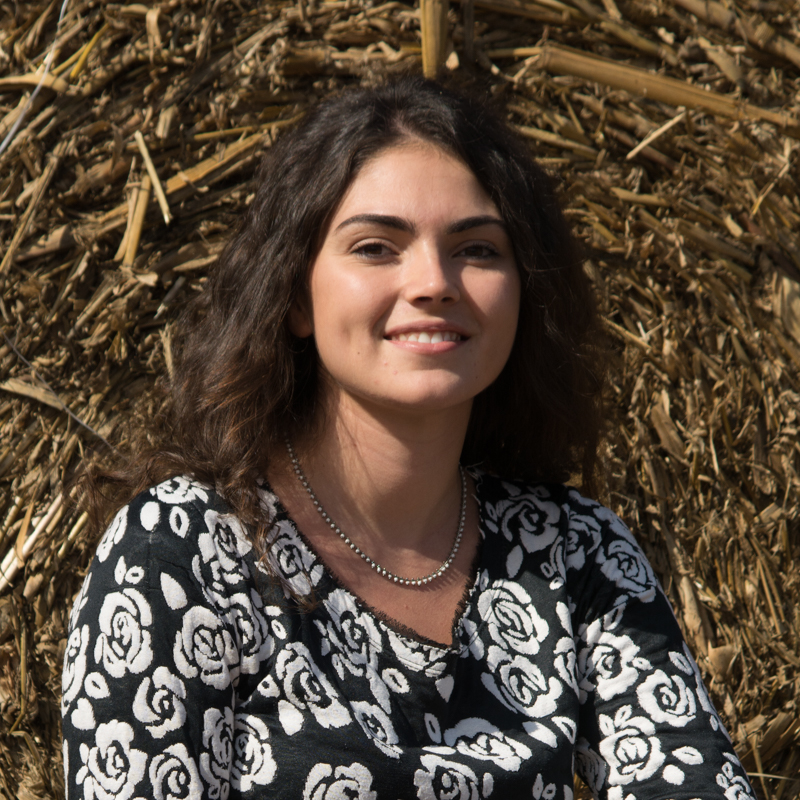
Ph.D.
Sarah contributed to the development of a version of GSECA aiming at detecting altered gene sets from single cell RNA sequencing data. During her PhD she analyzed the adaptation of medulloblastoma transcriptomes upon chemiotherapy. She now is into industry!
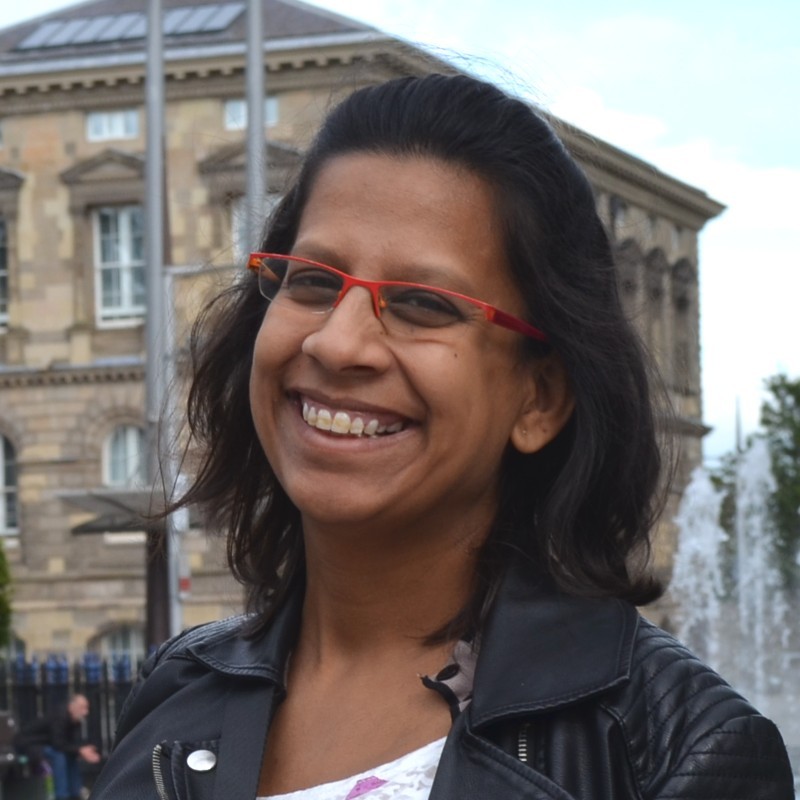
Ph.D.
Sinha analyzed direct mRNA Nanopore sequencing data in prostate cancer. She is now Bioinformatics Scientist at Al Jalila Children's Speciality Hospital (AJCH) in Dubai!
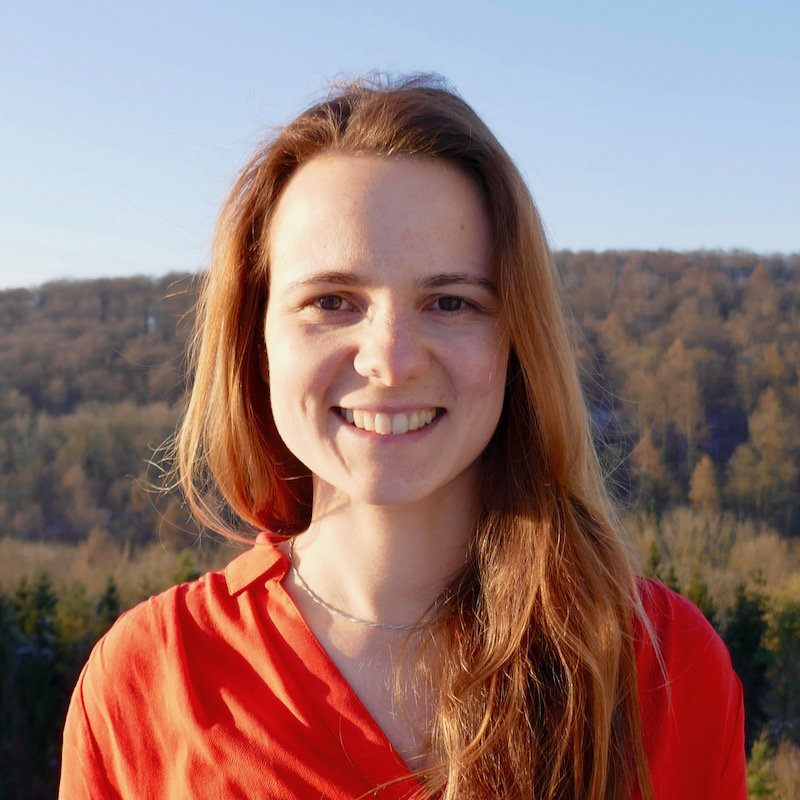
Ph.D.
Livia contributed to the experimental validations of FOXA1-mediated regulation of alternative splicing in prostate cancer. During the mounths spent in our lab she was also responsible for the devolopment of several other projects aiming at understanding alternative splicing regulation in cancer. She is now post-doc in the Epigenetics Lab of Prof Oliviero at the University of Turin!
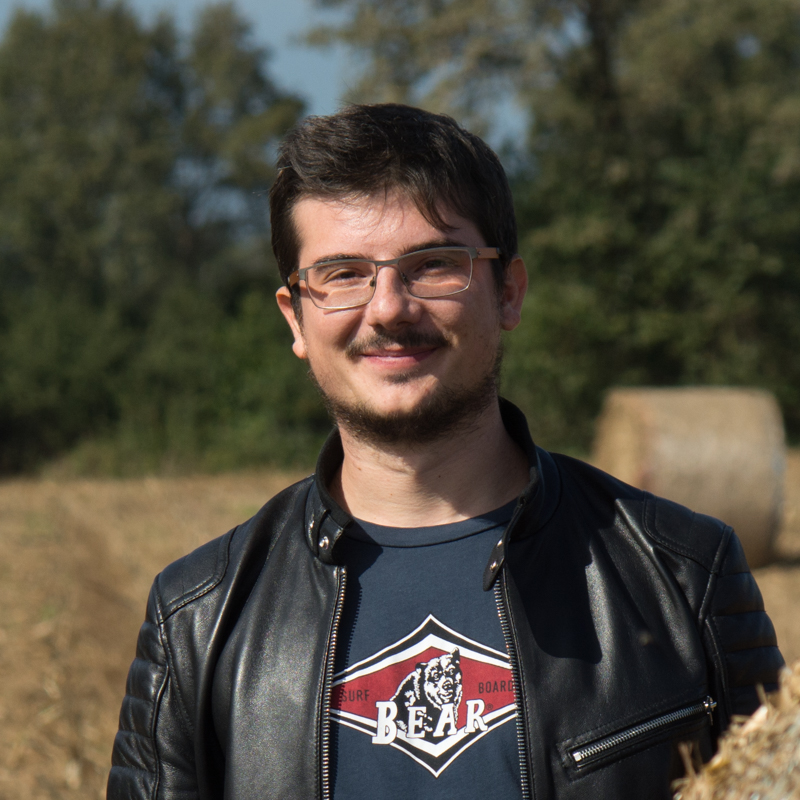
Ph.D.
Marco contributed to the identified of pioneer transcription factor FOXA1 as the key controller of alternative splicing in prostate cancer. His contribution revealed that FOXA1 controls selection of splice variants that predict disease relapse and might be new drug targets to improve patient survival. He is now data scientist at industry!
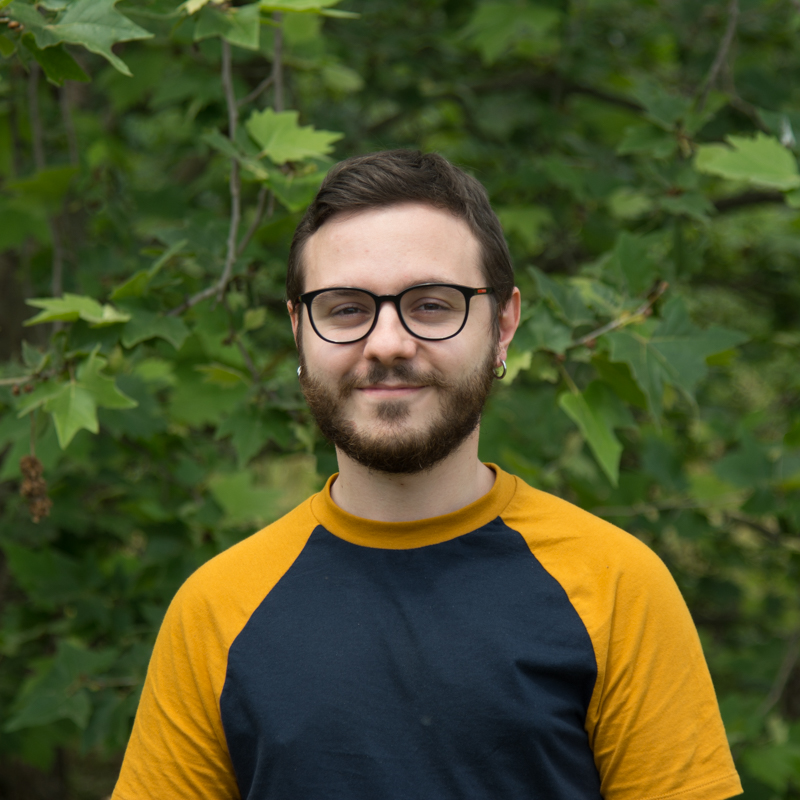
Research Fellow
Alberto importantly contributed to the improvment of RNAmotifs, which can now associate multivalent RNA motifs with cognate RNA binding proteins. He is data scientist at industry!

Internship student
Lucilla analyzed DNA somatic alterations in pediatric Ewing's sarcoma.
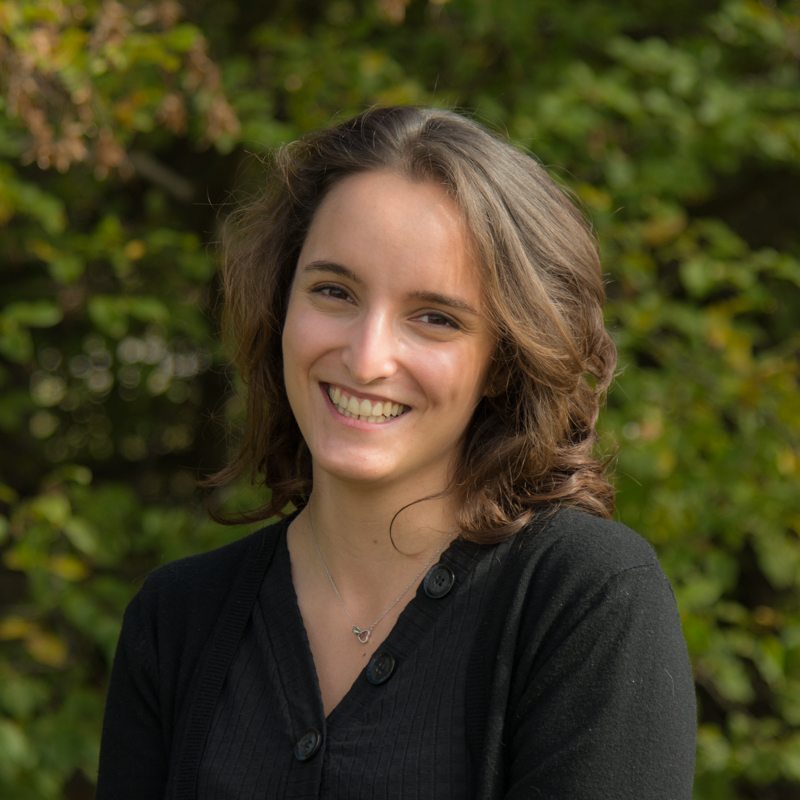
Research Fellow
Fabiola extensively worked on long-read Oxford Nanopore Technologies and traditional short-read Illumina sequencing approaches. She now moved to pharma!
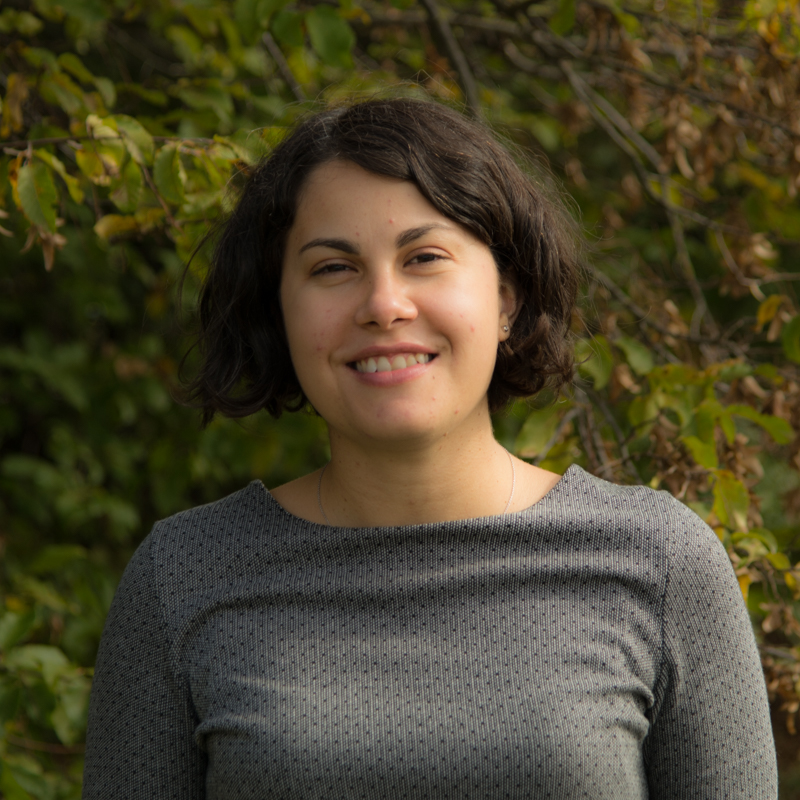
Ph.D.
Jessica was involved in trascriptomic analyses of breast cancer chemioresistant tumors. She is now professor at secondary high school and still free-lance bioinformatician collaborating with us!
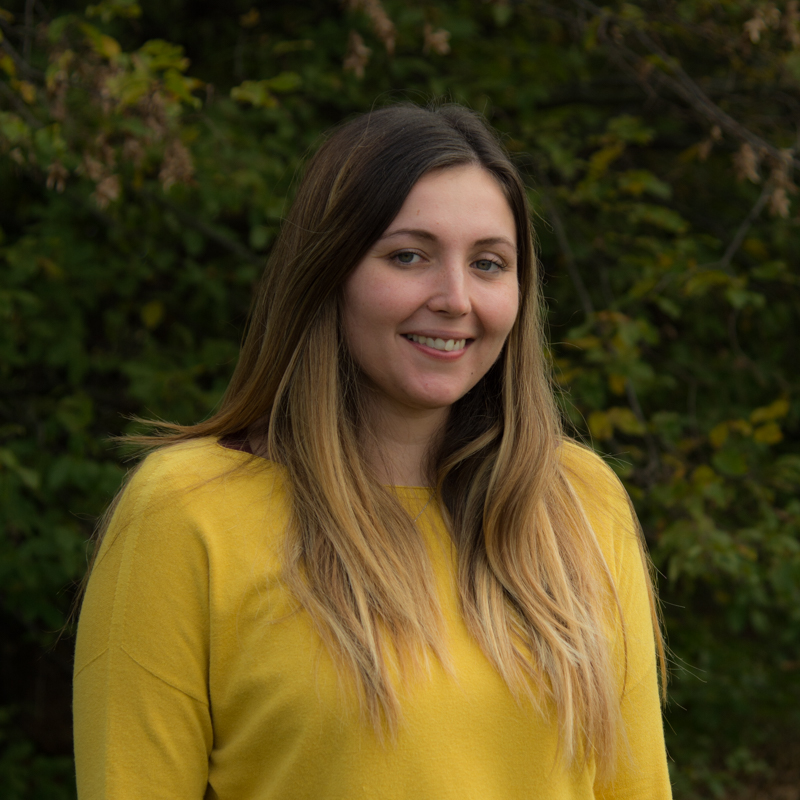
Greta worked on the characteziation of tumor evolution within the Genomic Profiles Analysis in Children, Adolescents and Young Adult With Sarcomas (NCT04621201) Trial, focusing on DNA somatic alterations. She decided to foster her training in Biology and she is now enrolled in postgraduate school of Medicine at the University of Parma.
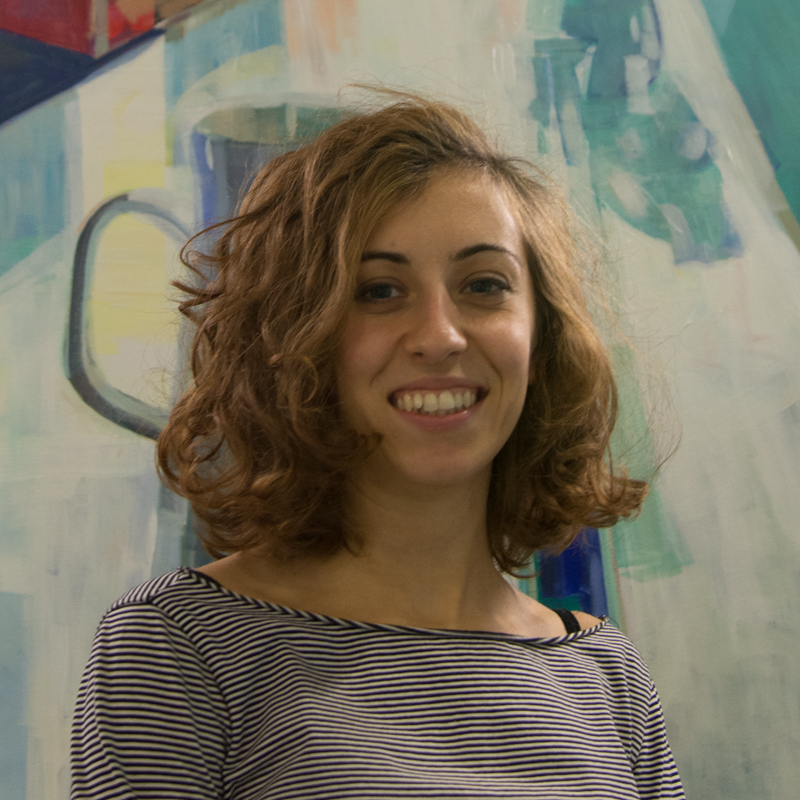
Ph.D.
Federica was the first biologist post-doc in our lab. She contributed to settle our experimental biology lab, implementing the Oxford Nanopore Technologies direct mRNA protocol and the Lexogen CORALL protocol for total mRNA sequencing. She is now teacher at secondary high school!

We discuss our ideas with talented people:
Armenise/Harvard Laboratory of Molecular Oncology
Turin, IT

Bioinformatics lab
Bosisio Parini, IT

Department of Theoretical Physics
Turin, IT

UroSplice lab
London, UK

Dept. of Life Sciences & Systems Biology
Epigenetics Lab
Turin, IT

Armenise/Harvard Laboratory of Integrative Genomics
Naples, IT

Paediatric Onco-Haematology, Stem Cell Transplantation and Cellular Therapy Division, City of Science and Health of Turin, Regina Margherita Children’s Hospital
Turin, IT
Cancer Systems Biology lab
London, UK
RNA Regulatory Networks lab
London, UK